A Government Shutdown Isn’t the End of the World

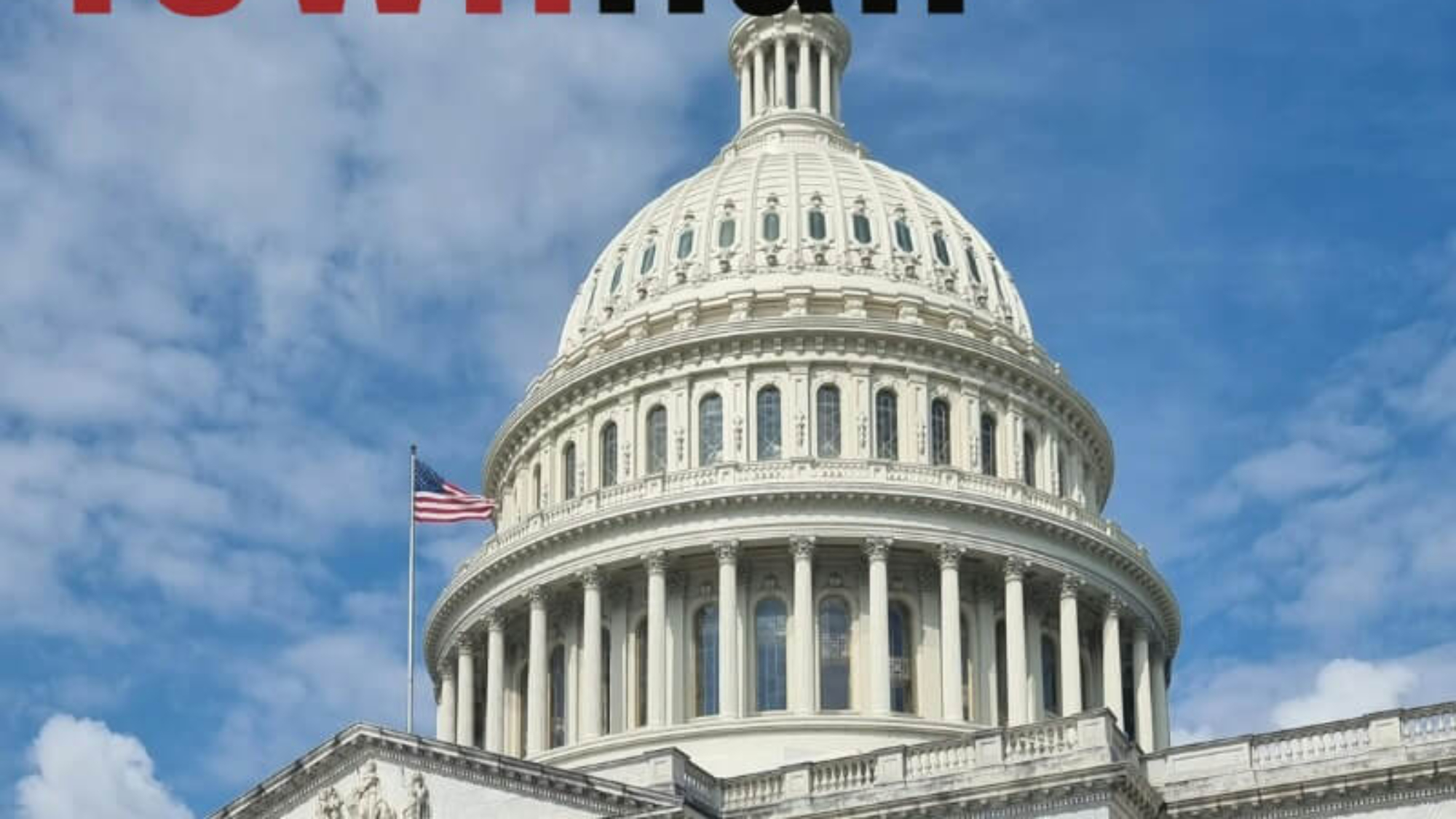
A Government Shutdown Isn’t the End of the World — It Might Be the Reset America Needs

This article originally appeared on Townhall.com here: https://townhall.com/columnists/bob-rubin/2025/10/21/a-government-shutdown-isnt-the-end-of-the-world-it-might-be-the-reset-america-needs-n2665208 


Each time Washington flirts with a government shutdown, the ruling class descends into hysteria. Politicians predict calamity, bureaucrats issue warnings of chaos, and the media blares that civilization itself teeters on the brink. But truth, as always, is the first casualty of panic. A temporary halt in government operations is not a national tragedy; it is a mirror held up to a bloated state, forcing America to see how much of its daily life functions perfectly well without the omnipresent hand of Washington.


Let us begin with what is just and moral. Those who defend our lives like our soldiers, police, and first responders must be paid without question. They embody the principle of duty freely chosen, of courage in the service of freedom. They cannot “shut down” their posts when politics turns petty, and they should never be used as bargaining chips by those who mistake government power for moral authority.


Beyond that essential duty, a pause in the federal machine could serve as a cleansing breath for the nation. For decades, the bureaucratic state has swelled beyond recognition, a vast apparatus detached from productivity, from reality, and from the people it claims to serve. Most Americans would not notice if entire agencies went dark for weeks, because the true engine of America is not the Department of Commerce or the EPA. It is the individual mind, the businessman, the craftsman, the family builder who are acting in freedom.


Shutdown hysteria is the creed of those who cannot imagine life without control. Each cycle brings the same charade: Democrats cry “hostage-taking,” bureaucrats barricade national parks, and headlines forecast doom. It is theater — not to protect citizens, but to teach dependence. The message is clear: you need us. And the proper reply is: no, we do not.

Consider the recent spectacle of a Clinton-appointed judge halting President Trump’s effort to dismiss redundant federal workers during a shutdown. The judge accused the administration of “taking advantage of the lapse in spending,” as if efficiency were a crime. But it is not tyranny to question whether taxpayers must forever sustain legions of unaccountable clerks. It is justice. The federal workforce exists to serve the people, not to enshrine itself as an untouchable class immune from reform.


Indeed, the very ease with which the government can “shut down” reveals the magnitude of its excess. When thousands can stay home and life continues unbroken, that is not disaster, that is revelation. The machinery has outgrown its purpose.


Those who demand fiscal restraint are not “extremists.” They are the few still faithful to the Constitution’s design that spending power belongs to Congress, not the executive, and that the government’s reach must be bound by reason and necessity. To use a shutdown to challenge waste, corruption, or ideological overreach is not obstruction. It is the assertion of moral responsibility.


Meanwhile, the same voices that wail over a temporary funding pause have presided over genuine crises such as runaway inflation, porous borders, record debt, and the weaponization of the administrative state. They fund failure abroad while bankrupting freedom at home. And yet, we are told the peril lies in pausing to question their stewardship. No, the peril lies in continuing it.


For decades, both parties have surrendered to the narcotic of deficit spending. Continuing resolutions are the bureaucrat’s opiate, a ritual of avoidance. Every dollar borrowed without discipline is a theft from tomorrow’s producers. The real “shutdown” has already occurred; it’s the shutdown of courage, of honesty, of the will to govern within reality’s limits.


The Founders did not envision a nation ruled by two million unelected functionaries. They built a republic of laws, not agencies. A limited government that guards liberty, not manages life. Each budget crisis, each pause, each moment of gridlock is an opportunity to ask the most radical and necessary question of all: what, exactly, should the state be allowed to do?


So let Washington tremble. Let the bureaucrats fret. The Republic will endure, because its foundation is not paperwork or appropriations; it is the spirit of free men and women who create, trade, build, and serve without permission. If a few weeks of forced reflection remind us that freedom is the natural state of man and dependency the unnatural, then a shutdown is not a calamity. It is an awakening.


America does not exist to serve the government. The government exists, when it must, to serve America. A temporary silence in the halls of bureaucracy may be the sound of the nation remembering that truth.

bob rubin

Are you concerned about inflation, ESG compliances, and the 2022 crypto crash?

Your investment portfolio can be affected by any or all of these factors.

Schedule an appointment with Bob Rubin, your dedicated, conservative financial advisor, for a free portfolio analysis today.

Get started by clicking the button below.

Woke Banks Are Cancelling Americans – How Can Floridians Fight Back?

Woke Banks Are Cancelling Americans – How Can Floridians Fight Back?

This article originally appeared on Florida Jolt here: https://floridajolt.com/bob-rubin-woke-banks-are-cancelling-americans-how-can-floridians-fight-back/


Imagine this: You run a successful business in Miami, Tampa, or Palm Beach. You pay your bills. You have done nothing wrong. Then one day, you get a letter from your bank saying your accounts are being closed with no explanation, just “policy.” The truth? You gave money to a conservative cause, you posted the wrong opinion online, or your industry is not politically correct enough for the woke elites running Wall Street.


That is not some conspiracy theory. That has been real life for the past 10 years.


The Wall Street Journal recently reported that President Trump has signed an executive order directing regulators to investigate whether banks are discriminating against customers for political reasons. It is a significant first step, but it is not enough.


We do not just need a policy. We need to implement the policy.


If President Trump wants to strike back against the left’s growing financial censorship, the most powerful thing he can do right now is tell every American who has been de-banked: If your bank discriminated against you, tell us. Put it in writing. Please send it to the proper regulator. Please help us build the case.


And here in Florida, where millions of conservatives, Christians, and small-business owners call home, we must take the lead. The White House, through the Office of the Comptroller of the Currency (OCC) and other agencies, should make it clear: we are collecting real examples of discrimination. Floridians should be the loudest in answering that call.


The left already uses these agencies to choke out entire industries through “reputational risk” policies and ESG mandates. They have shut down accounts tied to Christian ministries, pro-border security companies, gun manufacturers and dealers, prison companies, and yes, even President Trump himself, who now lives right here in Palm Beach.


This is not capitalism. It is soft tyranny.


That is why we do not just need rules. We need real stories. And we need the federal government to say: If this happened to you, we will listen. And we will act.

So what can Floridians do?


If your bank has canceled your account, denied you credit, or mistreated you because of your political beliefs or lawful business type, here is where to file a complaint.

  • OCC for national banks like JPMorgan or Bank of America (helpwithmybank.gov)
  • FDIC for state-chartered, non-Federal Reserve banks (fdic.gov/consumer-assistance-center)
  • CFPB for most financial services complaints (consumerfinance.gov/complaint)
  • DOJ Civil Rights Division for patterns of discrimination under the Equal Credit Opportunity Act (civilrights.justice.gov/report)
  • Federal Reserve Consumer Help for member banks (federalreserveconsumerhelp.gov)
  • FFIEC Consumer Help Center if you are not sure who regulates your bank (ffiec.gov/consumercenter)

When filing, include the name of the bank, date of action, type of account affected, and any correspondence or documents that support your case. Be specific about how you believe the action was politically or ideologically motivated.


Every complaint builds the case. The more real-world examples we submit, the harder it becomes for banks and regulators to ignore or deny the problem. Now is the time to act.


And Florida should lead the charge.


President Trump and his administration have a golden opportunity to show the American people that the weaponization of finance against conservatives will no longer go unanswered. An executive order is helpful, but going further is essential.


The OCC, CFPB, and other regulators should not only investigate but actively invite complaints from conservatives who have been shut out, punished, or blacklisted. This is how we gather evidence, pressure the banks, and turn the tables on the left.


We have spent years being canceled on social media. Now they are canceling us at the bank.


Here in Florida, I hear from clients daily in Miami, Tampa, and Palm Beach who are quietly scared. They are worried about being punished for giving to the wrong candidate. They do not want their investments propping up companies that are hostile to their values. And they are done funding the very people who are trying to destroy them.


We need courage. We need clarity. And we need a conservative administration that does not just talk about fighting back but actually does.


Mr. President, use the executive branch’s power to give the people, especially Floridians who are ready to step up, a voice. Tell them where to go. Tell them how to report. Let us expose this discrimination and use the system against those who thought they could weaponize us into silence.


If we do not act now, the question will not be who the banks cancel next. It will be who is left to cancel at all.

bob rubin

Are you concerned about inflation, ESG compliances, and the 2022 crypto crash?

Your investment portfolio can be affected by any or all of these factors.

Schedule an appointment with Bob Rubin, your dedicated, conservative financial advisor, for a free portfolio analysis today.

Get started by clicking the button below.

Woke Banks Are Cancelling Americans – Here Is How They Should Fight Back

Woke Banks Are Cancelling Americans – Here Is How They Should Fight Back

This article originally appeared on the Daily Caller here: https://dailycaller.com/2025/08/17/opinion-woke-banks-are-cancelling-americans-here-is-how-everyday-americans-should-fight-back-bob-rubin/ 


Imagine this: You run a successful business. You pay your bills. You have done nothing wrong. Then one day, you get a letter from your bank saying your accounts are being closed with no explanation, just “policy.” The truth? You gave money to a conservative cause, you posted the wrong opinion online, or your industry is not politically correct enough for the woke elites running Wall Street.


That is not some conspiracy theory. That has been real life for the past 10 years.


The Wall Street Journal recently reported that President Trump has signed an executive order directing regulators to investigate whether banks are discriminating against customers for political reasons. It is a great first step, but it is not enough.


We do not just need a policy. We need to implement the policy.


If President Trump wants to strike back against the left’s growing financial censorship, the most powerful thing he can do right now is tell every American who has been de-banked: If your bank discriminated against you, tell us. Put it in writing. Send it to the right regulator. Help us build the case.


The White House, through the Office of the Comptroller of the Currency (OCC) and other agencies, should make it clear: we are collecting real examples of discrimination. We want to know when banks are closing accounts because of your political affiliation, your religious beliefs, your business type, or even who you voted for. It is time to put this on the record and put the banks on notice. 


The left already uses these agencies to choke out entire industries through “reputational risk” policies and ESG mandates. They have shut down accounts tied to Christian ministries, pro-border security companies, gun manufacturers and dealers, prison companies, and yes, even President Trump himself. It’s been alleged that JPMorgan Chase dropped Trump personally after January 6, even though he had been “very good to the banks,” as he put it.


This is not capitalism. It is soft tyranny.

That is why we do not just need rules. We need real stories. And we need the federal government to say: If this happened to you, we will listen. And we will act.


So what can you do? Well, if your bank has canceled your account, denied you credit, or treated you unfairly because of your political beliefs or lawful business type, here is where to file a complaint:


OCC for national banks like JPMorgan or Bank of America (helpwithmybank.gov), Federal Deposit Insurance Corporation for state-chartered, non-Federal Reserve banks (fdic.gov/consumer-assistance-center), Consumer Financial Protection Bureau for most financial services complaints (consumerfinance.gov/complaint), DOJ Civil Rights Division for patterns of discrimination under the Equal Credit Opportunity Act (civilrights.justice.gov/report), Federal Reserve Consumer Help for member banks (federalreserveconsumerhelp.gov), and FFIEC Consumer Help Center if you are not sure who regulates your bank (ffiec.gov/consumercenter).


When filing, include the name of the bank, date of action, type of account affected, and any correspondence or documents that support your case. Be specific about how you believe the action was politically or ideologically motivated.


Every complaint builds the case. The more real-world examples we submit, the harder it becomes for banks and regulators to ignore or deny the problem. Now is the time to act.


President Trump and his administration have a golden opportunity to show the American people that the weaponization of finance against conservatives will no longer go unanswered. An executive order is helpful, but going further is essential.


The OCC, CFPB, and other regulators should not only investigate but actively invite complaints from conservatives who have been shut out, punished, or blacklisted. This is how we gather evidence, pressure the banks, and turn the tables on the left.


We have spent years being canceled on social media. Now they are canceling us at the bank.


We have heard from clients who are quietly scared. They are worried about being punished for giving to the wrong candidate. They do not want their investments propping up companies hostile to their values. And they are done funding the very people who are trying to destroy them.


We need courage. We need clarity. And we need a conservative administration that does not just talk about fighting back but actually does.


Mr. President, use the power of the executive branch to give the people a voice. Tell them where to go. Tell them how to report. Let us expose this discrimination and use the system against those who thought they could weaponize us into silence.


Because if we do not act now, the question will not be who the banks cancel next. It will be: who is left to cancel at all.

bob rubin

Are you concerned about inflation, ESG compliances, and the 2022 crypto crash?

Your investment portfolio can be affected by any or all of these factors.

Schedule an appointment with Bob Rubin, your dedicated, conservative financial advisor, for a free portfolio analysis today.

Get started by clicking the button below.

AI Is Reshaping Capitalism

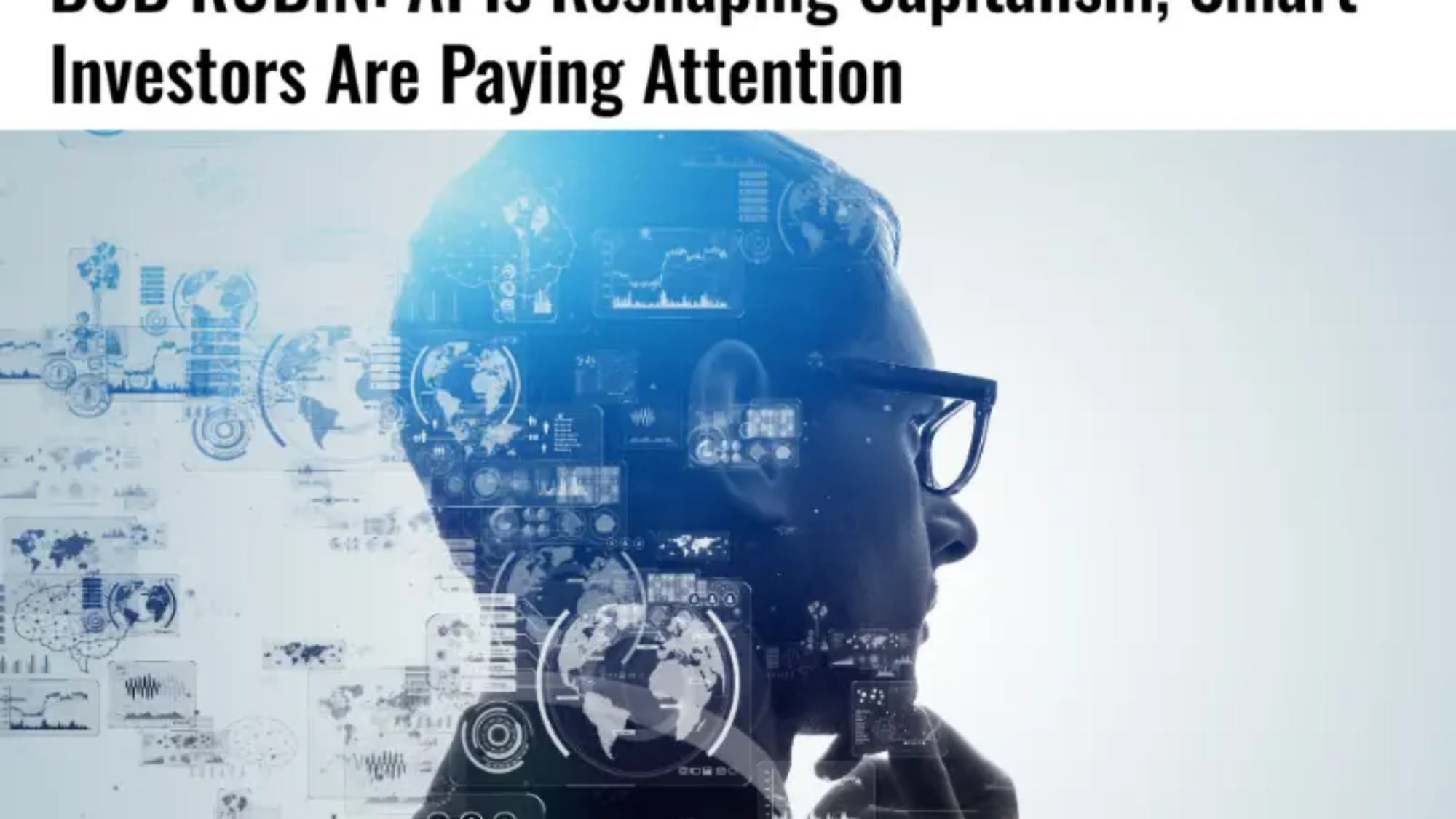
AI Is Reshaping Capitalism, Smart Investors Are Paying Attention

This article originally appeared on Daily Caller here: https://dailycaller.com/2025/06/27/opinion-ai-is-reshaping-capitalism-smart-investors-are-paying-attention-bob-rubin/ 


Artificial intelligence is no longer a future concept. It is the present reality. And it is moving faster than most investors, wealth managers, and policymakers are prepared for.


From real-time language translation to stock trading algorithms, cancer diagnostics to autonomous logistics, AI is not just improving systems. It is redefining them. Entire industries are being disrupted overnight. Entire job categories are becoming obsolete. And new wealth is being created not linearly, but exponentially.


That is the word that matters most right now: exponential.


Unfortunately, most traditional investment strategies were built for a world of slow, incremental change. A world where innovation came in decades, not days. But we are no longer in that world. If your wealth strategy does not account for exponential change, it is already outdated.


This is not fear mongering. It is a wake-up call.


In 1995, the internet had fewer than 50 million users. By 2005, it was over 1 billion. Today, more than 5 billion people are online, and almost every business in America depends on internet infrastructure. The internet produced trillions of dollars in new value and transformed the global economy. But even the internet moved slowly compared to the speed at which AI is evolving today.


For investors and entrepreneurs, this should be thrilling. But for the unprepared, it could be devastating.

What It Means for Your Money


Let us talk about brass tacks.


If your portfolio is overweight in legacy companies that cannot adapt, or worse, actively resist innovation, you are at risk. AI is already automating compliance, finance, legal, and customer service departments. That means lower headcount, more volatility, and tighter margins for firms that rely on bloated overhead.


If you are not thinking about companies building AI infrastructure such as semiconductors, cloud compute, and cybersecurity, you are missing where real long-term value is being created.


And if your advisor still uses a 60/40 portfolio model without accounting for how AI could impact every asset class in that portfolio, you need a new advisor.


This moment calls for a new kind of investor. One who does not just follow trends but understands inflection points.


The Geopolitical Stakes


Beyond markets, there are geopolitical consequences.


China is investing heavily in AI not just for commercial applications but for surveillance, censorship, and battlefield advantage. If America does not lead on AI innovation, we risk ceding the technological high ground to authoritarian regimes.


President Trump recognized this when he prioritized American energy, manufacturing, and tech independence. The next administration must take that even further by ensuring America owns the AI age, not just participates in it.


We need to deregulate innovation, accelerate domestic chip production, and invest in AI defense capabilities. That is not just an economic priority. It is a national security imperative.


Do Not Get Left Behind


We are at a fork in the road.


The institutions that guide our retirement plans, manage our pensions, and build our economic models are still treating AI like it is a subplot in a science fiction movie. But by the time they finally update their playbooks, the landscape will already have changed. The winners will have already pulled ahead.


This is not a call to recklessly chase hype. It is a call to build a strategy that is as dynamic as the world we now live in.


You do not have to be a Silicon Valley technologist to understand what is coming. You just have to be intellectually honest enough to see that the old rules do not apply anymore.


Technology has always shaped civilization. But AI is not just another technology. It is a multiplier. It is a force accelerator. It is changing how humans create, how businesses scale, and how nations compete.


If you want to build or preserve wealth in the decade ahead, you cannot afford to look away.


We are entering the exponential era. The question is: will you adapt, or be disrupted?

bob rubin

Are you concerned about inflation, ESG compliances, and the 2022 crypto crash?

Your investment portfolio can be affected by any or all of these factors.

Schedule an appointment with Bob Rubin, your dedicated, conservative financial advisor, for a free portfolio analysis today.

Get started by clicking the button below.

America First, Global Gains: The US-UK Trade Deal Signals a New Era for Equities

America First, Global Gains: The US-UK Trade Deal Signals a New Era for Equities

This article originally appeared in Townhall here: https://townhall.com/columnists/bob-rubin/2025/05/09/america-first-global-gains-the-us-uk-trade-deal-signals-a-new-era-for-equities-n2656782 


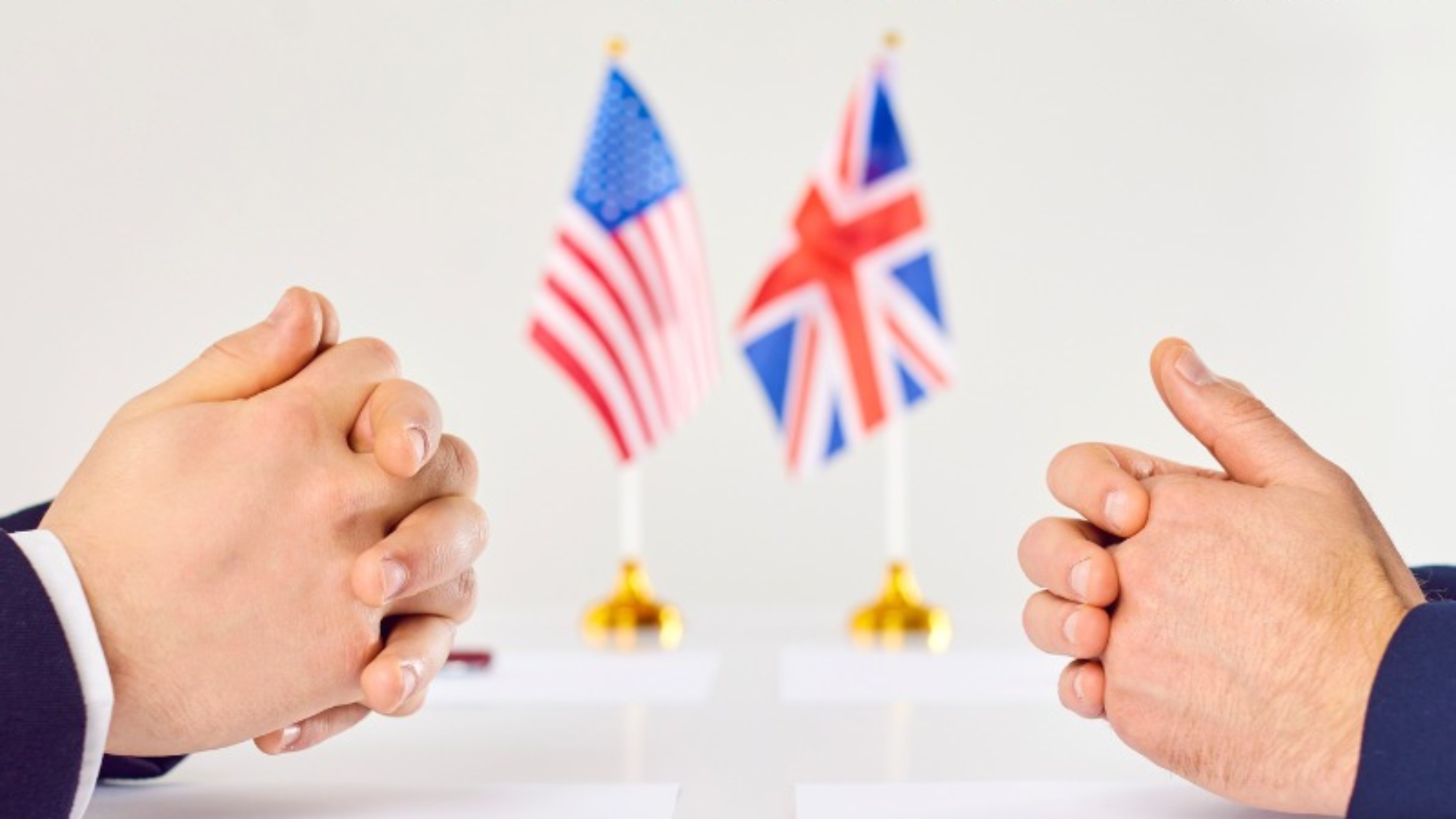
Today’s landmark trade agreement between the United States and the United Kingdom is more than a diplomatic milestone, it is a signal flare from Washington to the rest of the world: the era of America First trade policy has not only returned, it is entering a new phase of strength and sophistication. America is open for business!


This bilateral deal, struck between the world’s largest and sixth largest economies, is a powerful validation of President Donald J. Trump’s strategy to reshape international commerce on America’s terms. Under the new agreement, tariffs on key sectors including automobiles, steel, aluminum, and agriculture will be restructured to favor U.S. exports, protect American jobs, and expand access to British markets without the bureaucratic entanglements of globalist institutions like the World Trade Organization.


One standout example: U.S. auto tariffs for vehicles sold in the UK will drop from 25% to just 10%, a massive competitive advantage for American manufacturers and a real win for our economy. This is the kind of tangible benefit that reminds us what smart, tough negotiating can deliver when America leads from the front.


The response from U.S. equity markets was swift and positive. The Dow, S&P 500, and Nasdaq all ticked higher within hours of the announcement. Why? Because the financial markets understand what many critics still refuse to acknowledge: America First trade policies are good for American business, good for American workers, and good for long term investor confidence.


At its core, this U.S. U.K. deal achieves three critical objectives. First, it realigns trade terms that have long disadvantaged American industries particularly our farmers, ranchers, and manufacturers. Second, it eliminates tariff barriers that have suppressed growth in U.S. exports. And third, it sends a clear message to the global market: if you want access to the American consumer, it will no longer come at the expense of American jobs.


This is precisely what candidate Trump promised in 2016 and what President Trump is now delivering once again in 2025.

.

Gone are the days when the United States would sign multilateral trade deals that shipped jobs overseas, hollowed out our manufacturing base, and left our supply chains vulnerable to adversarial nations like China. Instead, President Trump is proving that a tough, transactional, and unapologetically nationalistic approach to trade can yield real, measurable results.


The U.S. U.K. agreement is just the first domino. According to sources close to the administration, similar deals are already being discussed with other close allies including Japan, South Korea, India, and key nations in Latin America. The framework is clear: bilateral agreements that prioritize reciprocity, transparency, and enforcement. This is the new world order in trade, and it is being written in Washington, not Brussels or Beijing.


The economic implications are enormous. By creating fairer trade environments for American goods and services, these deals will stimulate domestic production, restore industrial competitiveness, and incentivize capital reinvestment in the United States. That is not just good policy, it is good business.


Consider the equities markets. When President Trump first announced steel and aluminum tariffs during his first term, the market had a temporary wobble but manufacturing, energy, and industrial stocks surged in the long run. The same dynamic is at play here. American companies now have a clearer path to international markets, with fewer restrictions and more leverage.


Tech and agricultural sectors are expected to benefit immediately. Semiconductor and defense contractors, which often rely on transatlantic cooperation, stand to gain from regulatory harmonization. American beef and poultry producers will now be able to export to the U.K. without the suffocating restrictions imposed under the EU era rules. Small and medium sized businesses are the backbone of the U.S. economy. They will also gain from simplified customs procedures and digital trade protocols.


This is not theory, it is already moving markets.  Even Bitcoin broke $100,000 on the news.


Even Wall Street’s most cautious analysts are beginning to revise their forecasts upward. As trade uncertainty declines and investor confidence grows, capital is flowing back into sectors long dismissed as “too exposed” to global volatility. Trump’s critics predicted chaos, but what they got instead was clarity and clarity is always bullish.


Make no mistake: this agreement is also a strategic win. At a time when the world is increasingly divided between authoritarian and democratic blocs, the United States and the United Kingdom have reaffirmed their commitment to free market principles but under sovereign control, not supranational governance. That is not protectionism. That is patriotism.


Critics, of course, will cry foul. They always do. They will claim that bilateral deals are inefficient, that they erode the multilateral system, and that they benefit the rich. But these are the same voices that championed NAFTA, Most Favored Nation status for China, and other failed experiments that decimated middle America.


The truth is far simpler: under Trump’s America First trade vision, the United States is no longer subsidizing the rise of foreign competitors at the expense of our own economy. We are no longer mortgaging our future for temporary diplomatic applause. We are trading from a position of strength and the world is taking notice.


This U.S./ U.K. deal is not the end of the road. It is the beginning of a global recalibration. As other nations see the mutual benefits of dealing fairly and directly with the United States, they will line up at the negotiating table and they will come prepared to give more than they take. That is how leverage works. That is how leadership works. And that is how America wins.


America First is not a slogan. It is a governing philosophy rooted in economic common sense and strategic realism. Today’s deal is proof that it works. And the markets agree.

bob rubin

Are you concerned about inflation, ESG compliances, and the 2022 crypto crash?

Your investment portfolio can be affected by any or all of these factors.

Schedule an appointment with Bob Rubin, your dedicated, conservative financial advisor, for a free portfolio analysis today.

Get started by clicking the button below.

Trump’s Tariffs Are a Win for Florida’s Workers and Economy

Trump’s Tariffs Are a Win for Florida’s Workers and Economy

This article originally appeared on Florida Jolt here: https://floridajolt.com/bob-rubin-trumps-tariffs-are-a-win-for-floridas-workers-and-economy/ 


The corporate press and the professional hand-wringers in Washington are panicking over President Donald Trump’s bold new tariff agenda. But here in Florida, we know better. For decades, we watched factories shutter, our manufacturing base hollowed out, and good-paying jobs outsourced to foreign countries—often in the name of “free trade” that was anything but free. President Trump’s tariffs aren’t a risk to the American economy—they’re a necessary correction. And in Florida, they’re already laying the foundation for a long-overdue jobs revival.


Florida isn’t just beaches and tourism. We’re home to ports, aerospace manufacturers, defense contractors, agriculture, and a booming logistics industry. The problem is, all too often, we’ve been forced to compete on an unfair playing field—with foreign nations like China that subsidize their industries, manipulate their currencies, and flood our markets with underpriced goods. Mexico, in particular, has flooded the U.S. market with heavily subsidized produce, devastating Florida’s farmers and stripping away our seasonal market share. Tariffs and negotiated trade deals are a way to reset the table, hold our trading partners accountable, and bring American jobs back home.


President Trump’s critics love to harp on tariffs, but they conveniently ignore the bigger picture—he’s not just imposing tariffs, he’s negotiating tough, America-first trade deals that put our workers and producers first. These deals are designed to level the playing field, protect American industries, and create real, lasting economic opportunities—not just for the country, but for Florida. For every penny that might be added to the cost of a cheap import, there’s a dollar gained in American wages, dignity, and domestic production. And here in Florida, that gain could be massive.

Take the aluminum and steel industries. Florida may not be the Rust Belt, but our construction, defense, and transportation sectors rely on affordable, domestically produced steel and aluminum. Trump’s tariffs on foreign metals were a direct hit on China’s market manipulation, and they’ve given American producers a fighting chance. That means more activity at ports like Tampa and Jacksonville, more contracts for small and mid-sized businesses, and more local jobs supporting everything from housing to infrastructure.


Or look at agriculture. Florida’s farmers have been under siege from Mexico’s unfairly subsidized produce and China’s retaliatory tariffs. But Trump didn’t blink—he stood by Florida growers and delivered billions in aid while forcing trade partners back to the negotiating table. The result? Stronger trade deals like the USMCA and a White House that finally puts Florida’s citrus, vegetable, and cattle producers first.


Then there’s the long-term benefit few pundits want to talk about: the return of American manufacturing and supply chains. COVID showed us how dangerous it is to depend on China for essential goods. From pharmaceuticals to semiconductors, we need to make things in America again. Trump’s tariffs don’t just punish China—they incentivize American companies to re-shore production. That’s already creating a surge in domestic investment, and Florida stands to gain in a big way.


Space Coast cities like Melbourne and Cape Canaveral are magnets for high-tech manufacturing. With the right trade policies, we can supercharge the aerospace sector, add thousands of jobs, and lead the next wave of American innovation. The same goes for Pensacola’s defense corridor, Miami’s logistics hubs, and the I-4 corridor’s advanced manufacturing sites. Tariffs level the playing field and give Florida’s workers a shot at building the future.


Of course, Wall Street doesn’t like this. The globalist class is angry because the rules are changing—and they’re no longer writing them. They want cheap labor abroad and limitless imports, even if it means decimating American communities. But Trump’s tariffs are about Main Street, not Wall Street. They’re about the welder in Ocala, the port worker in Jacksonville, the citrus farmer in Fort Myers, and the logistics coordinator in Lakeland.


In the short term, there may be market volatility. That’s the price of rebalancing a rigged system. But in the long term, Trump’s approach is the only one that makes sense. You can’t build a strong nation on foreign sweatshops and debt-fueled consumption. You build it by making things again, by valuing labor, and by putting America first.


Floridians understand this because we’ve seen both sides of the equation. We’ve watched jobs disappear overseas, wages stagnate, and communities suffer. Now, we’re seeing the early signs of revival—shipments increasing, companies hiring, training programs expanding, and investment flowing into industries once considered obsolete.


President Trump’s tariff policy is not about isolation—it’s about restoration. It’s about restoring America’s ability to compete, to build, and to lead. It’s about giving the next generation of Floridians a future that isn’t tethered to Beijing’s whims or multinational boardroom decisions.


Florida’s economy has always thrived on bold leadership—from rebuilding after hurricanes to launching rockets into space. Trump’s tariffs are just the latest example of the kind of leadership that puts our people, our jobs, and our future first. Critics will complain. Markets may fluctuate. But if we stay the course, Florida’s workers—and America—will win.


And this time, we won’t just be watching the recovery. We’ll be building it. Right here. At home. 

bob rubin

Are you concerned about inflation, ESG compliances, and the 2022 crypto crash?

Your investment portfolio can be affected by any or all of these factors.

Schedule an appointment with Bob Rubin, your dedicated, conservative financial advisor, for a free portfolio analysis today.

Get started by clicking the button below.

Bob Rubin: Florida Stands with Israel-That’s Why I’m Proud to Call It Home

Bob Rubin: Florida Stands with Israel-That’s Why I’m Proud to Call It Home

This article originally appeared on Florida Jolt here: https://floridajolt.com/bob-rubin-florida-stands-with-israel-thats-why-im-proud-to-call-it-home/ 


For the last 51 years, I have called Florida home. One thing has remained steadfast through hurricanes, economic booms and busts, and shifting political tides: our state’s commitment to strong moral leadership. This week, Florida’s Senate panel reaffirmed that commitment by advancing a bill to expand the state’s anti-BDS law, further solidifying our unwavering support for Israel.


The Boycott, Divestment, and Sanctions (BDS) movement is not about human rights or justice—it is a concerted effort to delegitimize the Jewish state and isolate it economically. By strengthening our existing anti-BDS law, Florida is sending a clear message: we will not do business with entities that engage in economic warfare against our closest ally in the Middle East.


This bill is more than just a political move. It’s a reflection of Florida’s values. We are a state that understands the importance of standing up for what’s right, even when the world wavers. At a time when antisemitism is surging across the United States and Europe, our elected officials are taking a stand. And that makes me prouder than ever to be a Floridian.

Since the horrific October 7th attacks, Israel has faced unprecedented challenges—militarily, diplomatically, and in the court of public opinion. Instead of rallying around the only democracy in the Middle East as it fights for survival, many in the West have chosen to equivocate or even openly side with Israel’s enemies. It is shameful but sadly not surprising. The last few months have exposed just how deep the rot of moral relativism has spread in our institutions.


That’s why Florida’s leadership on this issue is so vital. We are setting an example for other states and the nation as a whole. Governor Ron DeSantis has been a steadfast friend to Israel, signing legislation against antisemitic discrimination, standing up to universities that tolerate pro-Hamas rhetoric, and making it clear that Florida will not tolerate hostility toward the Jewish people. This new bill builds on that foundation, ensuring our tax dollars do not support those who seek to harm our ally.


This kind of leadership is exactly why I have never once regretted making Florida my home. We are a state that doesn’t bow to the pressures of political correctness or the moral cowardice that plagues so much of the Western world. We act decisively, stand by our allies, and reject the dangerous ideology that fuels movements like BDS.


I urge lawmakers in Tallahassee to push this bill across the finish line. I urge other states to follow Florida’s lead. And I urge every American who values freedom, democracy, and the special bond between the U.S. and Israel to take a stand. Because at the end of the day, this isn’t just about Florida or Israel—it’s about standing up to hatred, defending our values, and making it clear that we will not be complicit in the forces that seek to destroy our allies.


For five decades, I have been proud to call Florida my home. This week, thanks to the leadership of our elected officials, that pride has only grown stronger.

bob rubin

Are you concerned about inflation, ESG compliances, and the 2022 crypto crash?

Your investment portfolio can be affected by any or all of these factors.

Schedule an appointment with Bob Rubin, your dedicated, conservative financial advisor, for a free portfolio analysis today.

Get started by clicking the button below.

PRESIDENT TRUMP’S TARIFFS WILL REVITALIZE AMERICA’S ECONOMY

President Trump’s Tariffs Will Revitalize America’s Economy

This article originally appeared on Townhall here: https://townhall.com/columnists/bob-rubin/2025/03/20/president-trumps-tariffs-will-revitalize-americas-economy-n2654079

Ontario Premier Doug Ford has announced that he is slapping a 25% increase on electricity exports to the U.S. in response to Trump’s trade war. While this certainly has a shock value, will this affect the American people?


Likely not. What will affect the American people is billions and billions of foreign investment coming into our nation. 


When President Donald Trump first imposed tariffs on foreign imports, his critics were quick to declare economic doom. They warned of higher consumer prices, trade wars, and economic isolation. 


Yet, as the dust settles, one reality is becoming increasingly clear: tariffs are not just a negotiating tool or a short-term pressure tactic. They are a strategic measure that is helping to drive investment back into the United States, reinvigorating domestic industries, and reshaping the American economy for the better.


For too long, America has allowed its industrial base to erode, sacrificing jobs and entire communities to the false promises of globalization. Free trade agreements, once touted as pathways to prosperity, often became mechanisms for American companies to offshore production in search of cheaper labor. 


The result was devastating: hollowed-out manufacturing towns, stagnant wages, and an overreliance on foreign supply chains that left the U.S. vulnerable, especially in critical industries.

Trump’s tariffs upended this status quo. By placing levies on imports from countries like China and Mexico, the administration has made it clear that America will no longer be a dumping ground for foreign-made goods produced under conditions that undermine fair competition.


The results speak for themselves. Just recently, Eli Lilly announced a $27 billion investment in four new manufacturing plants in the United States. The company cited the looming threat of tariffs on drug imports as a key factor in its decision to build domestically. This is precisely how tariffs are meant to work: by tilting the economic equation in favor of American production.


And Eli Lilly is far from alone. French-based shipping firm CMA announced it will invest $20 billion in the United States to build out shipping logistics and terminals and Taiwan Semiconductor Manufacturing Company announced a historic $100 billion investment — the largest foreign direct investment in U.S. history. 


Even Apple, a company long associated with overseas manufacturing, has pledged $430 billion in investments and Siemens announced plans to invest $285 million in U.S. manufacturing. The company says it will open facilities for electrical products in Texas and California. It will create 900 skilled manufacturing jobs.


This isn’t an isolated trend. Across industries, companies are reassessing their reliance on foreign supply chains and shifting production back to U.S. soil. 


What many fail to recognize is that a significant number of these tariffs will never even go into effect. President Trump understands the power of economic leverage and often uses the mere threat of tariffs as a tool to achieve broader policy goals. 


Of course, the naysayers continue to argue that tariffs raise prices for consumers. What they fail to mention is that the long-term benefits far outweigh the short-term costs.


By imposing tariffs, Trump signaled that these tactics would no longer go unchallenged. The tariffs forced China to the negotiating table and helped secure better trade terms for American workers. They also sent a clear message to other nations that the U.S. will protect its economic interests rather than play by outdated globalist rules that benefit foreign competitors at our expense.


The road ahead will not be without challenges. Some industries will take time to fully adapt to the new trade landscape, and global markets will continue to react. But the foundation being laid today is one that will pay dividends for decades to come. 


In the end, the real question is not whether tariffs are working—it’s whether America has the political will to continue on this path. The early signs suggest that the strategy is delivering exactly what was promised: a stronger, more independent, and more resilient American economy.


Those who still doubt the power of tariffs might want to take a closer look at the factories reopening, the jobs returning, and the investments pouring into America. The evidence is right in front of them.

bob rubin

Are you concerned about inflation, ESG compliances, and the 2022 crypto crash?

Your investment portfolio can be affected by any or all of these factors.

Schedule an appointment with Bob Rubin, your dedicated, conservative financial advisor, for a free portfolio analysis today.

Get started by clicking the button below.

MAKING AMERICA STRONG AGAIN HOW TARIFFS FUEL ECONOMIC GROWTH

Making America Strong Again: How Tariffs Fuel Economic Growth

This article originally appeared on Townhall here: https://townhall.com/columnists/bob-rubin/2025/02/03/making-america-strong-again-how-tariffs-fuel-economic-growth-n2651578#google_vignette 


Tariffs are more than just economic instruments; they are strategic tools in the hands of a master negotiator. No leader understood this better than President Donald J. Trump, whose America First agenda leveraged tariffs not only to bolster federal revenue and revitalize American manufacturing but also to secure advantageous trade deals during his first term in office. Trump’s approach demonstrated that tariffs are not merely taxes on imports—they are powerful levers in the art of negotiation.


As he starts his second term, it’s not surprising that he is quickly enacting tariffs once again against America’s competitors. 


At their core, tariffs impose a tax on imported goods from America’s competitors, generating revenue directly into federal coffers. Unlike income taxes, which fluctuate based on employment rates and economic cycles, tariffs provide a consistent and predictable stream of revenue. Historically, before the establishment of the federal income tax in 1913, tariffs were the primary source of government funding in the United States. Trump sought to reinvigorate this revenue stream, alleviating fiscal pressures without burdening American workers with additional income taxes.


However, the true genius of Trump’s tariff strategy lies in how he wielded them as negotiating tools. Trump understood that the threat of tariffs could bring foreign competitors to the bargaining table, eager to strike deals that would mitigate their financial losses. His tough stance on China is a case in point. 


By imposing tariffs on billions of dollars’ worth of Chinese goods, Trump pressured Beijing into the Phase One trade deal, securing commitments that directly benefited American farmers, manufacturers, and workers. This wasn’t an economic gamble; it was a calculated move, rooted in Trump’s deep understanding of leverage.


Tariffs can be strategically targeted to optimize revenue and negotiation outcomes. By focusing on high-demand goods and products from countries with significant trade surpluses with the U.S., tariffs maximize financial inflows while creating pressure points in trade discussions. Trump’s tariffs on luxury goods, electronics, and vehicles—sectors dominated by foreign manufacturers—not only generated substantial revenue but also provided bargaining chips in broader trade negotiations.

Beyond their fiscal benefits, tariffs shape economic behavior. By making imported goods more expensive, tariffs create a competitive advantage for domestically produced products. This price shift incentivizes consumers to “buy American,” directly supporting local manufacturers, small businesses, and American workers. 


The resurgence of the American steel industry under Trump’s tariffs is a testament to this strategy. Domestic steel production flourished, jobs were created, and the industry regained a foothold it had been steadily losing to cheaper foreign imports.


Critics often argue that tariffs lead to higher prices for consumers and risk igniting trade wars. However, this overlooks the strategic intent behind their implementation. The goal isn’t to provoke but to negotiate from a position of strength. Trump’s tariffs were not ends in themselves but means to secure better deals. 


History has shown that when the U.S. takes a firm stance on trade, it often leads to more favorable agreements. The mere threat of tariffs has, in numerous cases, compelled foreign partners to offer concessions that benefit American interests.


Furthermore, tariffs serve as tools of moral and strategic diplomacy. By imposing tariffs on goods from nations with poor labor practices, environmental standards, or human rights records, the U.S. can promote ethical practices globally while protecting American industries from unfair competition. Trump’s policies reflected a clear vision: American prosperity comes first.


The case for tariffs is clear. They are not relics of a bygone era but powerful instruments for modern economic strategy. Under President Trump’s leadership, tariffs became more than economic policy; they became a cornerstone of America’s negotiation arsenal. They generated substantial revenue, drove industrial growth, reinforced national sovereignty, and, most importantly, secured deals that put America first.


By prioritizing American-made products and reducing reliance on foreign goods, tariffs will help forge a stronger, more self-reliant, and prosperous United States. This is not just an economic imperative; it is a patriotic one, championed by President Donald Trump, the ultimate dealmaker.

bob rubin

Are you concerned about inflation, ESG compliances, and the 2022 crypto crash?

Your investment portfolio can be affected by any or all of these factors.

Schedule an appointment with Bob Rubin, your dedicated, conservative financial advisor, for a free portfolio analysis today.

Get started by clicking the button below.

Trump’s Energy Revolution

Trump’s Energy Revolution: A Roadmap for Conservative Investors to Profit from U.S. Energy Dominance

When President Donald J. Trump took office in 2017, he promised to transform America into the world’s energy superpower. Through deregulation and strategic investments, Trump delivered a revolution that bolstered U.S. energy independence and reshaped global markets.


Energy isn’t just an economic sector—it’s the backbone of national security and individual freedom. As Trump prepares for a possible second term, his focus on energy dominance presents an opportunity for conservative investors to align their portfolios with policies that prioritize American strength.


The Trump Energy Doctrine

President Trump’s energy policies were guided by a simple principle: let American energy producers thrive. By rolling back burdensome regulations and approving projects like the Keystone XL pipeline, Trump empowered the U.S. to become the world’s largest producer of oil and natural gas.


These policies revitalized energy-rich states like Texas and North Dakota while countering foreign powers like Russia and OPEC. The result was cheaper energy, a stronger economy, and reinforced U.S. global leadership.


For his second term, Trump has pledged to reinstate pro-energy policies, eliminate ESG-driven barriers to fossil fuel investment, and prioritize an all-of-the-above energy strategy including oil, gas, coal, and nuclear power.

Why Conservative Investors Should Pay Attention

The left’s war on fossil fuels has suppressed traditional energy markets, creating a rare opportunity for investors to capitalize on an energy resurgence under Trump. Here’s why:

  1. Undervalued Assets: Fossil fuel assets are undervalued due to ESG pressures and political hostility. Trump’s policies can spark a rebound in valuations.
  2. Geopolitical Stability: Trump’s policies reduce reliance on foreign oil, stabilizing markets and boosting U.S. exports. Liquefied natural gas (LNG) terminals are key players here.
  3. Infrastructure Growth: Expect a wave of new pipelines and refineries, benefiting companies in energy infrastructure.

Key Investment Areas

To position your portfolio for Trump’s energy revolution, focus on these areas:

  1. Oil and Gas Producers: Companies with strong reserves in the Permian Basin or Gulf of Mexico, like ExxonMobil (XOM) and Chevron (CVX), are strong picks.
  2. Midstream Infrastructure: Pipeline and storage operators like Kinder Morgan (KMI) and Enterprise Products Partners (EPD) will see growth from increased production.
  3. LNG Exporters: Global demand for U.S. LNG will grow, benefiting players like Cheniere Energy (LNG).
  4. Coal and Nuclear Energy: Trump’s policies could revitalize coal (e.g., Peabody Energy) and support nuclear-focused utilities like NextEra Energy (NEE).

Beware of ESG Mandates

Conservative investors must remain vigilant against ESG mandates that undermine traditional energy. Trump’s second term would likely challenge these policies, creating a more favorable environment for fossil fuel investments.

A Call to Action

Trump’s energy revolution offers a rare opportunity to secure financial futures while supporting American greatness. By investing in sectors that reflect conservative values, investors can help ensure the U.S. remains a beacon of prosperity and freedom.

bob rubin

Are you concerned about inflation, ESG compliances, and the 2022 crypto crash?

Your investment portfolio can be affected by any or all of these factors.

Schedule an appointment with Bob Rubin, your dedicated, conservative financial advisor, for a free portfolio analysis today.

Get started by clicking the button below.